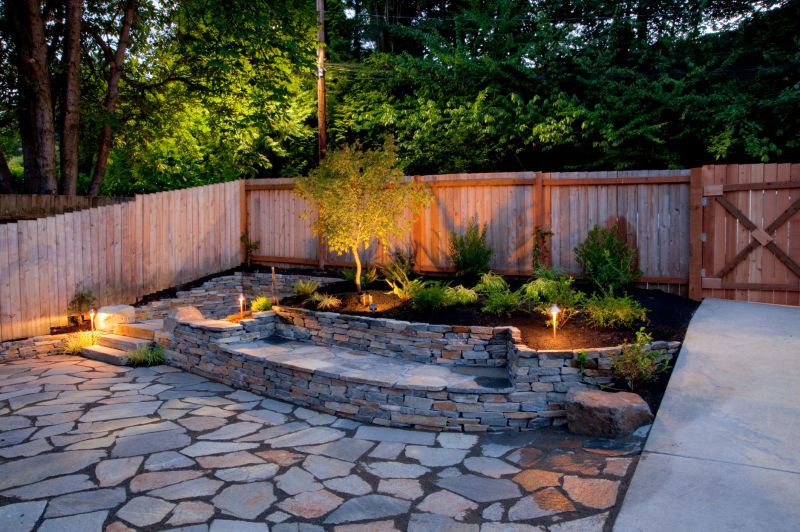
Landscape Hardscaping in Fairfield County, CT
Landscape hardscaping services involve the installation and construction of non-living elements within outdoor spaces to enhance functionality and visual appeal. Common projects include patios, walkways, retaining walls, driveways, fire pits, and outdoor kitchens. These features can add structure, define different areas of a yard, and improve overall usability. Property owners often seek hardscaping to create inviting outdoor living areas, improve drainage, or add value to their homes. Before requesting services, it’s helpful to understand the types of materials available, the scope of the project, and any design preferences or functional needs.
Homeowners considering hardscaping projects should consider factors such as the durability of materials, compatibility with existing landscaping, and the overall style of the property. It’s also important to think about the intended use of the space, whether for entertaining, relaxation, or practical purposes like parking or storage. Clarifying these details can help ensure the project aligns with long-term goals and fits within the property’s layout. Contacting a professional can provide guidance on design options, material choices, and planning considerations for successful hardscaping installations.
Many property owners in Fairfield County, CT look into Landscape Hardscaping for repairs, replacements, upgrades, and appearance-related improvements.
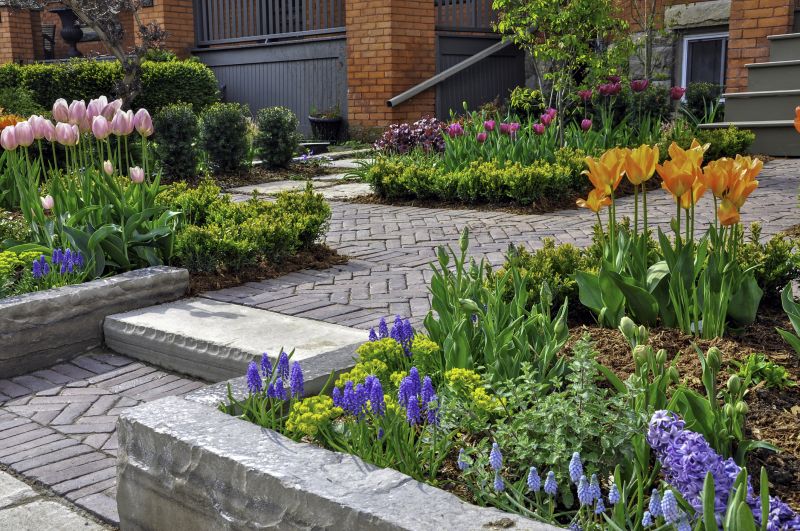
Patio And Walkway Design
Create durable and attractive outdoor surfaces for entertaining and everyday use.
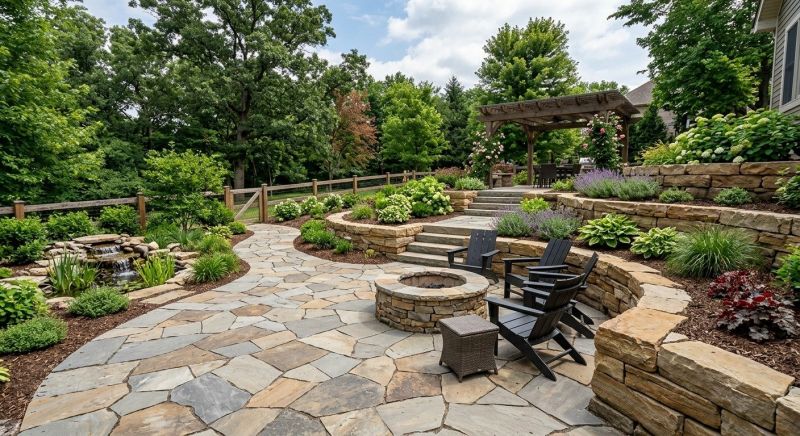
Retaining Walls And Edging
Define landscape boundaries and prevent soil erosion with expertly constructed walls.
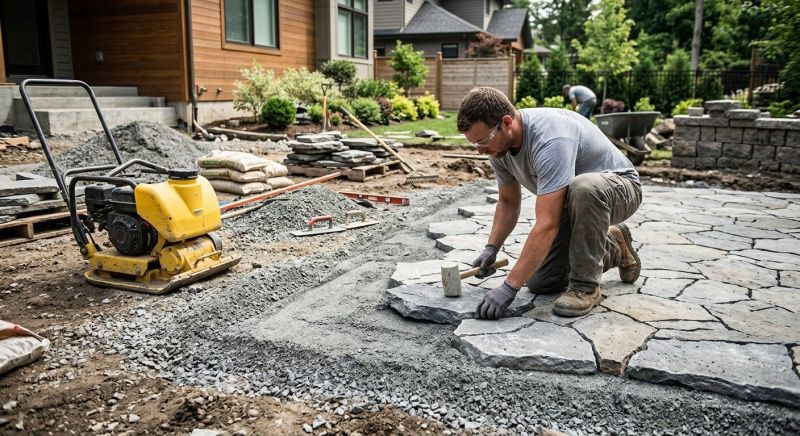
Fire Pits And Outdoor Features
Enhance outdoor living spaces with functional and stylish hardscape elements.
Landscape Hardscaping in Fairfield County, CT
Landscape hardscaping services involve the installation and construction of non-living elements within outdoor spaces to enhance functionality and visual appeal. Common projects include patios, walkways, retaining walls, driveways, fire pits, and outdoor kitchens. These features can add structure, define different areas of a yard, and improve overall usability. Property owners often seek hardscaping to create inviting outdoor living areas, improve drainage, or add value to their homes. Before requesting services, it’s helpful to understand the types of materials available, the scope of the project, and any design preferences or functional needs.
Homeowners considering hardscaping projects should consider factors such as the durability of materials, compatibility with existing landscaping, and the overall style of the property. It’s also important to think about the intended use of the space, whether for entertaining, relaxation, or practical purposes like parking or storage. Clarifying these details can help ensure the project aligns with long-term goals and fits within the property’s layout. Contacting a professional can provide guidance on design options, material choices, and planning considerations for successful hardscaping installations.
Many property owners in Fairfield County, CT look into Landscape Hardscaping for repairs, replacements, upgrades, and appearance-related improvements.
Common Landscape Hardscaping Jobs
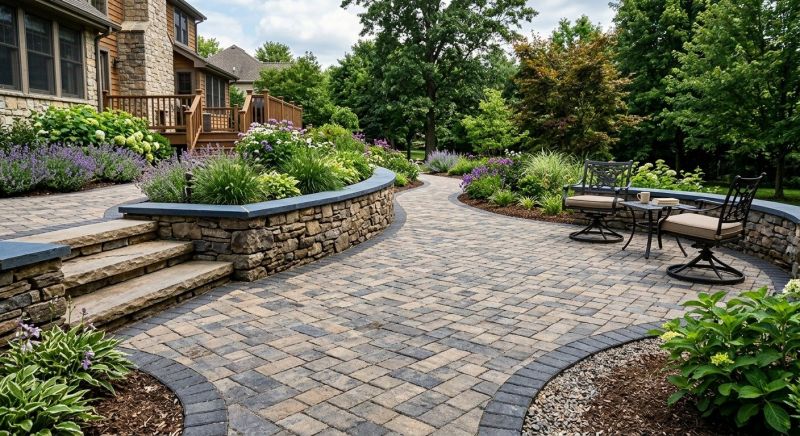
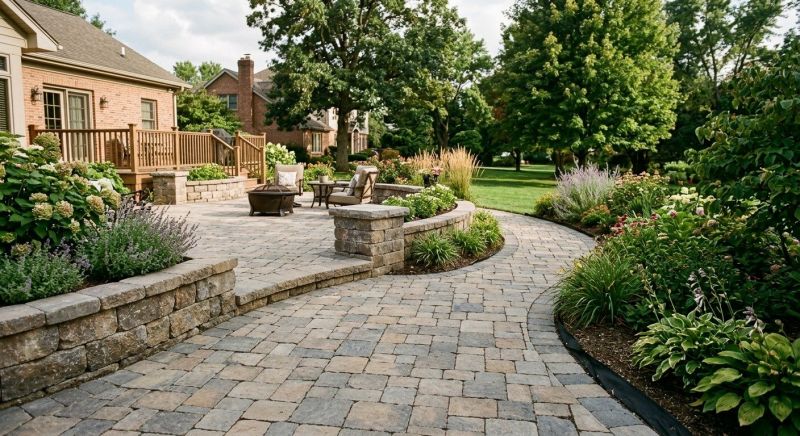
Patio Installations - durable surfaces designed for outdoor dining, entertaining, and relaxation areas.
Walkway Construction - functional paths that enhance accessibility and define landscape layouts.
Retaining Walls - structures that prevent erosion and create level areas on sloped properties.
Driveway Paving - smooth, long-lasting surfaces that improve curb appeal and vehicle access.
Fire Pits and Seating Areas - inviting outdoor features for gatherings and cozy evenings.
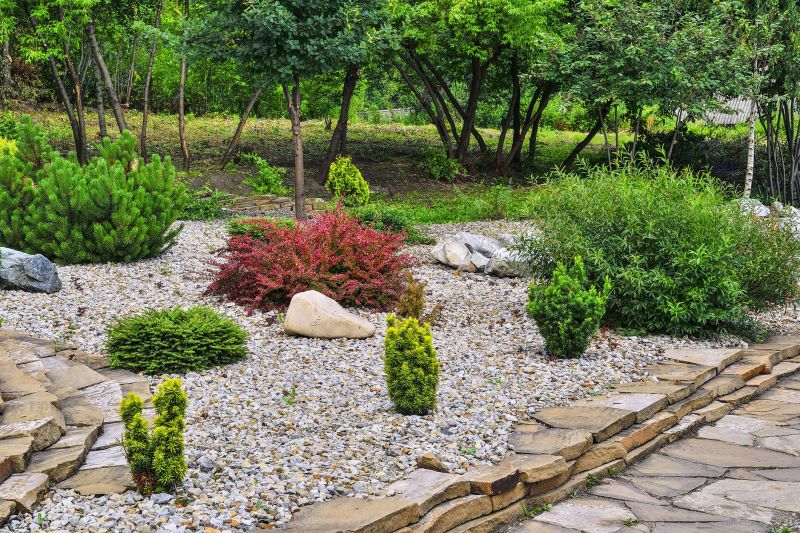
Stepping Stones and Borders - decorative elements that add structure and visual interest to landscaping.
Landscape Hardscaping Questions
What types of projects are suitable for landscape hardscaping? Hardscaping is ideal for features like patios, walkways, retaining walls, and outdoor seating areas that enhance functionality and aesthetics.
How does hardscaping differ from softscape landscaping? Hardscaping involves non-living elements such as stone, concrete, and brick, while softscape includes plants, grass, and other organic features.
What materials are commonly used in hardscaping projects? Common materials include pavers, concrete, natural stone, brick, and decorative gravel.
What should property owners consider before starting a hardscaping project? It's important to plan for proper drainage, durability of materials, and how the features will complement the overall landscape design.
Request Landscape Hardscaping in Fairfield County, CT
Use the quote form on this page to share the basics of your project and request more information for the type of work you need.